
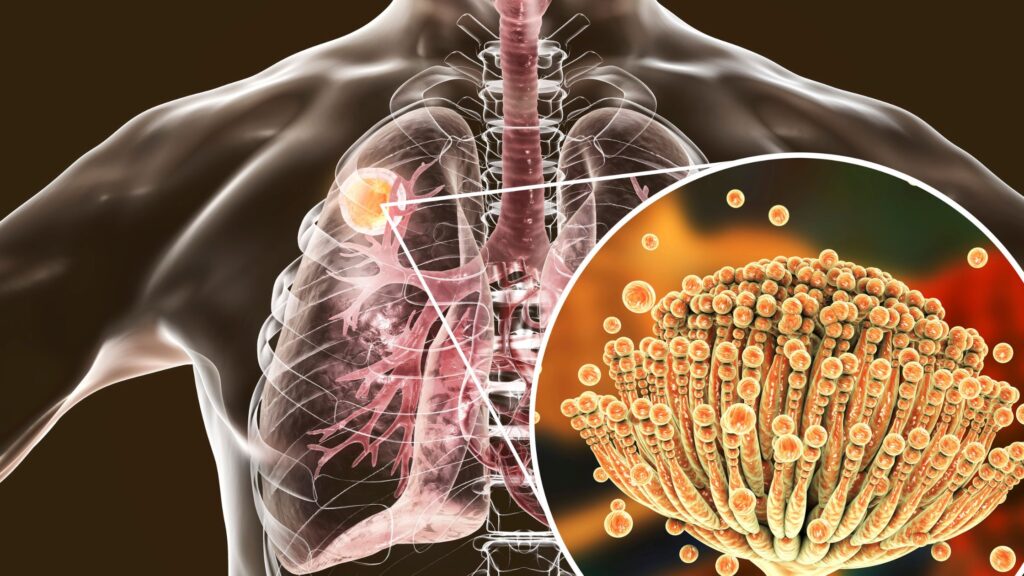
Understanding Mycotoxins, Chronic Symptoms, and What to Do About It
Have you been feeling foggy, tired, inflamed, or hormonally off—despite doing everything right?
If your nutrition, supplements, and lifestyle seem dialled in, but your symptoms still won’t budge… it might be time to look at your environment—specifically, mould exposure.
This is one of the most overlooked root causes in both conventional and holistic healthcare. And yet, for some people, hidden mould can be the key driver behind everything from chronic fatigue to histamine issues and hormonal chaos.
Let’s explore what you need to know about mould, mycotoxins, and how functional medicine addresses them safely and effectively.
What Is Mould—and Why Is It Harmful?
Mould is a type of fungus that grows in damp, humid, or water-damaged environments. While mould spores are everywhere in nature, indoor mould—especially when trapped in poorly ventilated areas—can become a problem for your health.
Certain types of mould produce mycotoxins: toxic compounds that can affect your nervous system, immune system, hormones, and even mitochondrial energy production.
You don’t have to see visible black mould for there to be a problem. It can grow:
Behind walls
Under carpets or floorboards
In basements, bathrooms, or around window frames
- Inside HVAC systems or around old leaks
Common Symptoms of Mould and Mycotoxin Exposure
The tricky part? Mould-related symptoms often mimic other conditions, making it easy to misdiagnose or overlook.
Common signs include:
Chronic fatigue
Brain fog and memory issues
Sinus congestion or pressure
Histamine sensitivity (flushing, hives, congestion, headaches)
Anxiety, depression, or mood swings
Hormonal imbalance (especially oestrogen dominance or irregular cycles)
Skin flare-ups (eczema, rashes)
Heightened chemical or scent sensitivity
Sleep disturbances or feeling “wired but tired”
If these symptoms persist despite a clean diet and good habits, mould may be silently contributing behind the scenes.
How Mycotoxins Affect Your Body
Mycotoxins are biotoxins—they don’t just irritate the body; they disrupt your internal systems on a cellular level.
Here’s how:
Mitochondrial dysfunction – Impairs your ability to produce energy
Immune dysregulation – Triggers inflammation and increases autoimmunity risk
Liver overload – Burdens Phase I, II, and especially Phase III detox pathways
Hormonal disruption – Worsens PMS, oestrogen dominance, or irregular cycles
Gut permeability – Weakens the gut lining, contributing to leaky gut and food sensitivity
Neuroinflammation – Affects mood, memory, and stress resilience
Functional Medicine Clues That Point to Mould
In my clinical experience, I start to suspect mould when clients:
Have tried everything but still feel stuck
Report symptoms that worsen in specific environments (home, workplace)
Have a history of water damage or live in a damp climate
React strongly to wine, fermented foods, or smells
Feel better when they travel or stay somewhere new
We don’t guess—we test when appropriate, and assess all root causes together.
What You Can Do About It
You don’t have to live in fear of mould, but you do need to take it seriously. Here are steps to begin reclaiming your health:
1. Assess your environment
Look for signs of dampness, past leaks, musty smells, or visible mould. A professional indoor mould inspection (especially ERMI or HERTSMI-2 testing) can provide clarity.
2. Support your detox pathways
Start gently. Focus on:
Adequate hydration
Bowel regularity and fibre
Liver support (e.g., milk thistle, NAC, cruciferous veg)
Binding agents (only under practitioner supervision) like charcoal or bentonite clay
3. Stabilise your nervous system
Mould stress can trigger limbic system overactivation. Tools like breathwork, vagus nerve stimulation, and adaptogenic herbs (e.g., reishi, ashwagandha) can help re-regulate.
4. Work with a qualified practitioner
Clearing mycotoxins is not a DIY job. You need a safe, individualised plan that considers your detox capacity, gut health, and genetic susceptibility.
Final Thoughts: Healing Starts with Awareness
If your body has been trying to tell you something—and your environment hasn’t been part of the conversation—it might be time to listen differently.
Mould illness can be complex, but it’s treatable with the right support, testing, and functional protocols.